

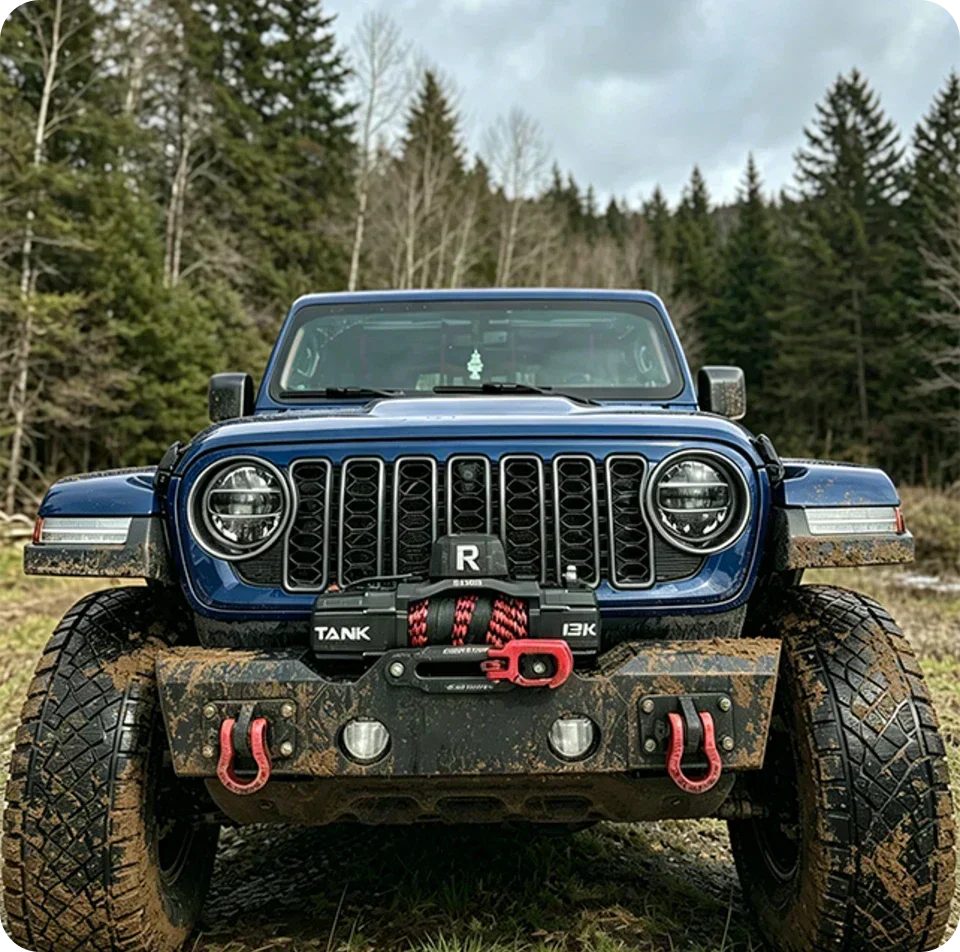
Investing in a high-quality electric winch is one of the smartest decisions an off-road enthusiast can make. However, extreme weather, vibration, mud, and water crossings could take a massive toll on mechanical and electrical components of your winch. Proper electric winch maintenance is the only way to ensure your equipment powers up when you are miles away from cellular service.
This guide provides actionable winch care tips designed specifically for the off-road community. By following these post-trail cleaning procedures, routine mechanical checks, and essential winch troubleshooting steps, you can significantly extend the lifespan and reliability of your equipment.
The Golden Rule: Post-Recovery Maintenance Workflow
The most critical period for winch care is immediately after a challenging off-road trip. Trail recoveries often involve submerging the winch in muddy water, dragging the line through abrasive sand, and subjecting the mounting hardware to immense torque. Following this post-recovery workflow will prevent 90% of common trail failures.

-
Clean Out Mud and Sand
Mud is the enemy of all moving mechanical parts. When dirty water dries, it leaves behind abrasive silica and sand that can penetrate the freespool clutch mechanism and the drum seals. After a trail run, use a gentle hose stream to wash away caked-on mud from the winch body, drum, and motor housing. Avoid using a high-pressure washer directly on the electrical control box (solenoid) or the motor seals, as extreme pressure can force water past the IP-rated waterproof barriers. -
Spool Out and Completely Dry the Rope
Moisture trapped inside a tightly wound winch drum causes severe problems. For steel cables, trapped water accelerates surface rust and internal core corrosion. For synthetic ropes, prolonged dampness mixed with mud creates a breeding ground for mildew and allows microscopic dirt to grind against the inner UHMWPE fibers. You must completely unspool the winch line, rinse it thoroughly with clean water, and let it air dry completely in a shaded area. Once bone dry, respool it neatly under tension. -
Check Electrical Wiring and Connections
Off-roading involves aggressive vibrations that can easily rattle heavy-duty battery cables loose. Inspect the thick power and ground cables running from your winch to your vehicle's battery. Look for cracked rubber insulation, chafing against the vehicle frame, or mud packed into the terminal boots. Disconnect the terminals, clean away any green acidic corrosion with a wire brush, and reapply dielectric grease to ensure maximum amperage flows to the motor without resistance. -
Inspect the Fairlead
Your fairlead guides the rope back onto the drum and takes the brunt of the friction during angled pulls. If you use a synthetic rope, closely inspect your aluminum hawse fairlead for deep gouges, scratches, or burrs caused by rocks or trail debris. Even a minor scratch in the aluminum will act like a razor blade, slicing your synthetic fibers under a heavy load. If you use a steel cable, ensure the steel rollers spin freely and lubricate the roller pins to prevent binding. -
Tighten Mounting Bolts
Vehicle recoveries subject your winch mounting plate to thousands of pounds of shear force and pulling tension. Over time, the four main mounting bolts holding the winch to the bumper can stretch or vibrate loose. Grab a torque wrench and verify that all base mounting bolts, as well as the fairlead bolts, are tightened to the manufacturer's specified torque rating. A loose winch can physically tear itself off the bumper under heavy load.
Routine Winch Care Tips: Monthly and Seasonal Checks
Even if you haven't been off-roading recently, your winch sits exposed to UV rays, rain, and road salt every day. Implementing these routine winch care tips will keep your equipment ready for the unexpected.

Spooling Under Tension
Never leave a loosely wound winch line on the drum. If the lower layers of rope are loose, the outer layers will force their way down between them during your next heavy pull. This creates a severe bind that can damage the rope and jam the winch entirely. Once a month, unspool the line leaving about five wraps on the drum. Hook the line to a secure anchor point (like a sturdy tree with a tree-saver strap) and slowly winch your vehicle toward the anchor on a flat surface, applying the vehicle's brakes lightly to create tension. This ensures a tight, uniform wrap.
Visual Cable and Rope Inspection
As you slowly respool the line under tension, inspect every foot of it. If you run a steel cable, look for kinks, flattening, or broken individual steel wires (burrs). If a steel cable is severely kinked, its structural integrity is compromised and it must be replaced. For synthetic ropes, look for melted spots, severe fuzzing, or cut strands. Slight surface fuzz is normal, but deep abrasions mean the line is no longer safe for maximum load ratings.
Freespool Clutch Exercise
The mechanical clutch lever on the gearbox side of the winch allows you to manually pull the line out. If ignored for months, internal condensation can cause the clutch ring gear to stick, making it impossible to engage or disengage the freespool. Make it a habit to rotate the clutch lever back and forth several times a month to keep the internal grease distributed and the mechanism moving smoothly.
Winch Troubleshooting: Basic Diagnostics
When you are deep in the woods and your winch refuses to operate, knowing basic winch troubleshooting can save your trip. The vast majority of winch failures are electrical, not mechanical.
Always carry a basic multimeter in your off-road toolkit. If the winch is completely unresponsive, verify that your vehicle's battery is fully charged and delivering at least 12 volts. Next, check the handheld remote control. The delicate wires inside the remote cord can break from being pinched in vehicle doors. If you have a wireless remote, ensure the batteries are fresh.
Listen closely to the control box when you press the button. If you hear a solid "click" but the motor does not turn, the solenoid is receiving the signal, but power isn't reaching the motor. This almost always indicates a loose main ground wire, corroded battery terminals, or worn-out motor brushes. If you hear no click at all, the issue lies in the remote switch, the remote plug receptacle, or a completely failed solenoid contactor.
Frequently Asked Questions
Why is my winch motor overheating?
An electric winch motor draws massive amounts of amperage from your battery—often upwards of 300 to 400 amps during a heavy pull. This immense electrical draw generates extreme internal heat. Electric winches are not designed for continuous, uninterrupted operation. They have strict duty cycles. If you are executing a long, difficult pull through deep mud, you must stop winching every 30 to 60 seconds and allow the motor to cool for several minutes. Ignoring the duty cycle will melt the internal insulation and destroy the motor.
Why does my winch stop working suddenly?
Sudden winch failure during an active pull is typically caused by a power delivery issue or a tripped thermal protection circuit. First, check your vehicle's battery voltage; under heavy load, a weak alternator and battery combination can drop voltage too low for the solenoid to remain engaged. Second, check the ground cable on the underside of the winch motor. The immense vibration of winching can shake this bolt loose, instantly cutting the electrical circuit. Finally, verify that your remote cable has not been stretched or damaged during the recovery.
How often should I service my off-road winch?
Your service intervals depend entirely on your trail frequency and environmental exposure. At a minimum, perform a comprehensive visual inspection and tension-spooling exercise every three months. However, if you submerge the winch in muddy water, drive through heavy winter road salt, or execute a maximum-capacity vehicle recovery, you must perform the full post-recovery maintenance workflow immediately upon returning home. Taking care of your winch in the driveway guarantees it will take care of you on the trail.
Share:
Synthetic Rope vs Steel Cable: Which Winch Line Is Better?